Guided Capture
Step-by-step guidance supports consistent imaging for every session.
 HomeScope
HomeScope brings bladder surveillance closer to patients with guided capture, secure delivery, and clinician review designed around real-life schedules.
Study Pack
Structured stills + clips
Onboard processingTransfer
Secure upload
Clinician handoffHome kit delivery, guided capture, and secure handoff keep care moving without unnecessary travel.
Guided Capture
Step-by-step guidance supports consistent imaging for every session.
Multi-Camera Array
Multi-camera optics help capture key bladder views in a single session.
Secure Delivery
Encrypted payloads are transmitted to the care team for review.
Guided Capture
Step-by-step guidance supports consistent imaging for every session.
Multi-Camera Array
Multi-camera optics help capture key bladder views in a single session.
Secure Delivery
Encrypted payloads are transmitted to the care team for review.
HomeScope is a compact, flexible cystoscopic imaging device engineered to enable standardized bladder visualization outside of traditional urology clinics. The device integrates a miniaturized optical imaging system within a soft, atraumatic catheter designed to follow established catheterization workflows.
The distal imaging module incorporates high-resolution camera sensors and controlled illumination optimized for urothelial visualization. During insertion and withdrawal, the system captures sequential images using automated or guided motion control. These images are algorithmically stitched into a panoramic representation of the bladder.
Image capture parameters—including exposure, focus, and field-of-view overlap—are controlled by the system to support consistent acquisition across users and environments. Captured images are securely transmitted to a cloud-based platform for asynchronous review by a urologist.
The device architecture is designed for single-use deployment. HomeScope is being developed to comply with Class II medical device standards, with ongoing preclinical validation focused on image quality, usability, and safety in bladder models prior to clinical feasibility studies.
Clinical Network
HomeScope was incubated within Texas A&M University’s ENMED program alongside Houston Methodist, ensuring every iteration is reviewed by clinicians who understand the reality of cystoscopy outside traditional facilities.
Joint development between Houston-based clinicians and ENMED engineers keeps the device grounded in day-to-day workflows.

Why it matters
Bladder cancer has one of the highest recurrence rates of any cancer, requiring frequent monitoring. Current cystoscopy methods are costly, inconvenient, and often delayed.
63% of US counties lack a urologist. Rural patients travel 34 miles on average to the nearest specialist.
Bladder cancer is one of the most expensive diagnoses to treat due to repeat procedures and lost time from work.
Non-muscle invasive cases require relentless surveillance cystoscopies with little relief for patients.
Scheduling constraints and access barriers lead to missed appointments, increasing progression risk.
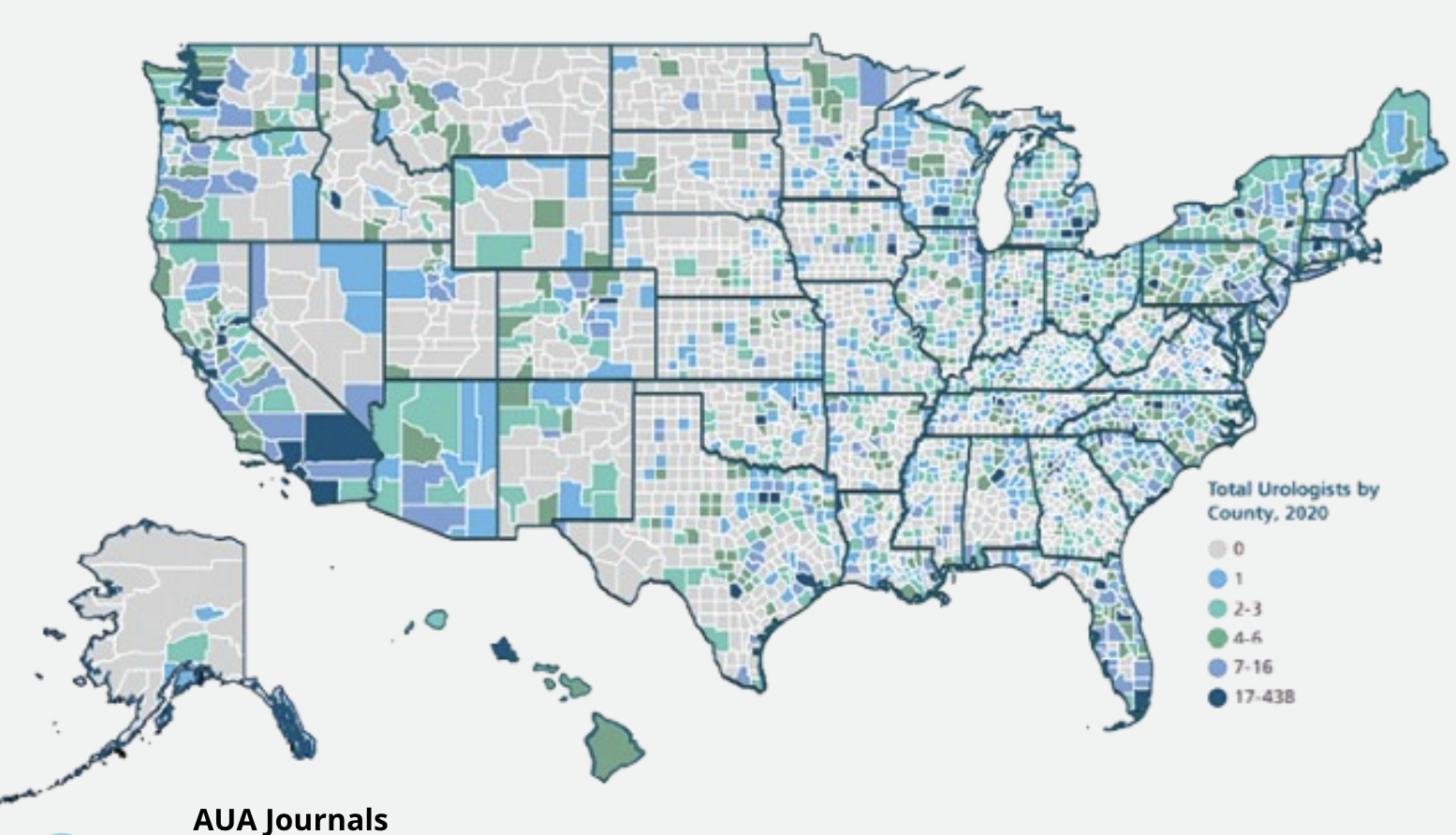
Source: American Urological Association Journals (2020)
of US counties lack a urologist
miles rural vs. urban patients travel for urologists
of urologists serve 20% of US rural populations
Solution
A novel at-home cystoscopy device that combines medical-grade design with patient-friendly workflows, making regular bladder monitoring accessible without compromising clinician review.
Clinical Oversight
Off-site urologists receive structured capture sets linked to each visit.
Imaging
HomeScope supports industry-standard image capture with guided workflows and HD accuracy for consistent review across sessions.
Multi-camera views designed for clear, consistent review by urologists.
Designed to allow self-catheterization by patients or use by primary care providers.
Shifts examinations from clinics to homes while retaining procedural quality.
Increases adherence to surveillance guidelines through convenience and comfort.
Mail-in kits serve patients in rural areas and those far from urologists.
Uploads encrypted stills and clips to urologists for remote review.
Team
A multidisciplinary team of physicians, engineers, and innovators transforming urologic care.

MD & M.Eng Candidate
Former Management Consultant Serving Fortune 500 Pharma Innovation Units.

Urologic Oncology Fellow
Urologic Oncology Fellow at Mass General Brigham & Blavatnik Innovation Fellow at the Harvard HealthTech Program. Urology Residency at Houston Methodist Hospital | MD at UT Southwestern | BA at Rice University.

MD & M.Eng Candidate
Former Lead Investigator for a Vascular Surgery Engineering Lab.

MD & M.Eng Candidate
Former Product/Test Engineer at Texas Instruments Specializing in Imaging Sensors.

Urologist, Houston Methodist
Principal Clinical Partner Guiding Procedure Workflow and Adoption.

MD & M.Eng Candidate
Former LVAD Engineer at Emory Healthcare Delivering Rigorous Device Validation.

MD & M.Eng Candidate
Former Bladder Cancer Clinical Research Coordinator and Radical Cystectomy Navigator.
Recognition
Celebrated by healthcare organizations and innovation showcases.
Phase 1
Selected poster + live demo, April 2025.
Clinical
Top concept for distributed cystoscopy.
Funding
Preparing Phase I submission with partner sites.
Evidence
Benchtop validation and verification are ongoing, with IRB drafting underway for clinical evaluation.
Conference
Houston, TX (Oct 2025) · Innovation Marketplace presentation
Expo
Boston, MA (Oct 2025) · Poster presentation
Conference
Dallas, TX (Oct 2025) · Poster presentation
AUA
Baltimore, MD (Sept 2025) · Showcase presentation
AUA
Las Vegas, NV (Apr 2025) · Showcase presentation
Conference
Houston, TX (Apr 2025) · Poster presentation
Symposium
Houston, TX (Apr 2025) · Poster presentation
Symposium
Houston, TX (2024) · Symposium presentation
Roadmap
A phased plan to deploy HomeScope into patient homes.
Completed initial needs assessment and feasibility (Nov 2024).
● Completed
Camera technology development and preliminary testing (Early 2025).
● Completed
Clinical validation, regulatory strategy, and pilot studies.
● In Progress
Phase 1 SBIR submission and capstone completion (2025-2026).
● In Planning
3D printed models + animal studies in preparation for clinical trials.
● Next
Interested in collaborating, piloting, or learning more about HomeScope? We'd love to hear from you.